HR Analytics
Human resources policy management is a complex process that consists of numerous aspects. Nevertheless, it can be simplified through various methods.
One of these methods is HR analytics, which represents a significant factor in an organization's success.
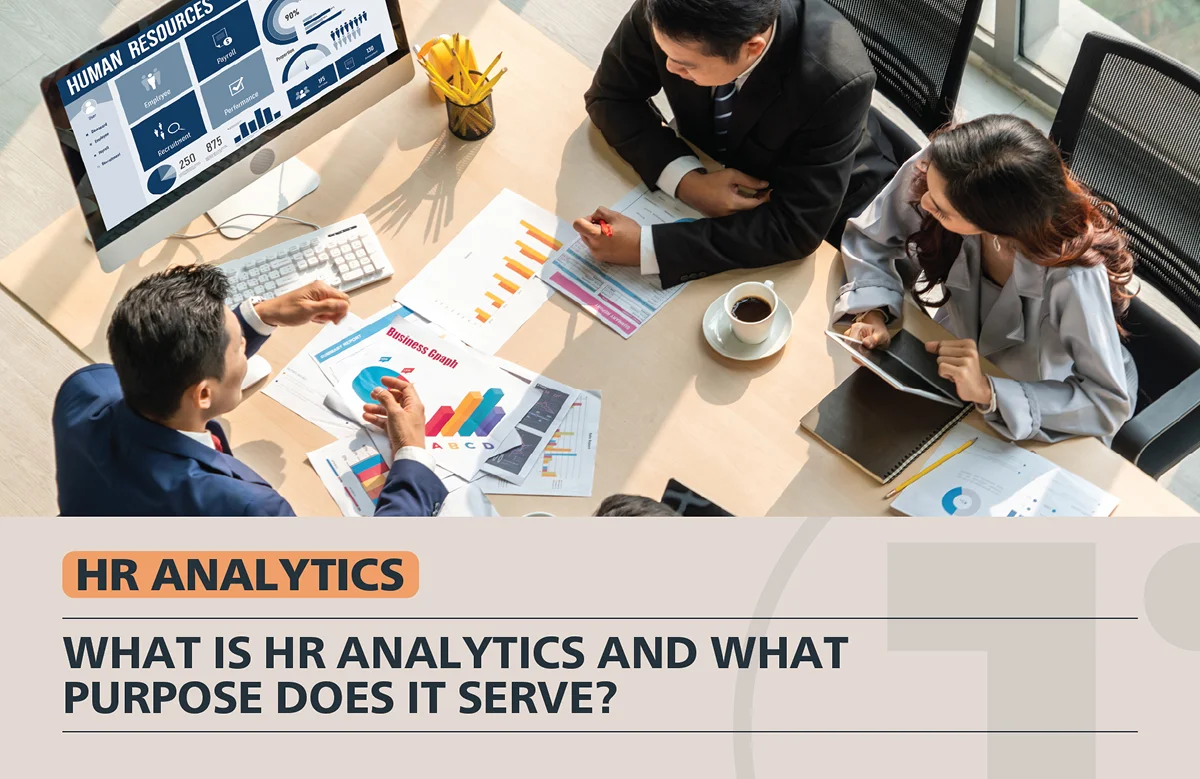
What is HR Analytics and What Purpose Does It Serve?
HR analytics involves processing and interpreting data within the human resources management process.
HR analytics is an important tool for effectively managing and developing an organization's human resources. It serves multiple purposes:
Facilitating Informed Decisions - It provides us with objective and systematized data about human resources, enabling us to make informed and strategic decisions for organizational development.
Determining Project Outcomes - Through HR analytics, it is possible to analyze in advance what impact specific projects will have on the organization's human capital and what results may follow their implementation.
Assessing Employee Engagement - Human resources analytics includes research on employee satisfaction, motivation, and engagement, allowing us to identify strengths and weaknesses. It also enables us to develop strategies for improving staff well-being and productivity.
Optimizing Work Processes - It helps us identify gaps in work processes. Additionally, it allows us to optimally determine the necessary human and financial resources for each project.
Enhancing Organizational Efficiency - Ultimately, the use of HR analytics contributes to improving the human resources management process, which in turn positively impacts the overall success and development of the organization.
The HR outsourcing company "One Point" provides local and international companies with unique, industry-tailored HR practices and solutions. One of the main components of our work process is centered around HR analytics.
Our specialists’ years of experience will enable you to receive high-quality HR services.
Types of HR Analytics
Descriptive Analytics - Used to identify trends, such as employee turnover rates, workforce demographic analysis, and employee engagement. This is a good opportunity to analyze the previous year's data and plan for the next year, improve results, and answer questions that will help with internal corporate management.
Predictive HR Analytics - It often relies on descriptive analytics. Based on the results of descriptive analytics, it becomes possible to make certain predictions. This type of analytics helps HR specialists determine how employee performance will change in the future. HR analytics ensures monitoring of working hours and workload, making it possible to identify employees at risk of burnout or excessive stress. If this factor causes employee turnover, a headhunter will ensure rapid and efficient filling of critical positions.
Prescriptive Analytics - Prescriptive HR analytics often uses various algorithms and machine learning to help HR specialists predict negative events and prevent them in advance.
What Benefits Does It Offer Companies?
HR analytics plays a significant role in the effective functioning and development of an organization. One of its advantages is saving time in the recruiting process, as analytical data allows us to identify the best strategies and sources for finding candidates.
Furthermore, HR analysis helps us better understand employees' experience and activities, making it easier to create working conditions tailored to them. Through analytics, it is also possible to identify subtle inefficiencies, such as non-optimal organizational structures. HR analysis also significantly simplifies human resources management, which ultimately reduces costs and increases productivity.
Finally, the results of prescriptive analysis allow us to timely eliminate risks such as employee turnover and workforce shortages.
HR Analysis - One Point's Approaches
"One Point" is an HR outsourcing company that has been operating in the Georgian market for 20 years.
Our goal is to grow and strengthen partner companies by implementing the best HR practices. The company's portfolio includes more than 750 completed projects and more than 156 business partners in local and international markets.
"One Point" pays special attention to analytical activities because HR analytics directly contributes to more informed decisions and the effective achievement of organizational goals.